
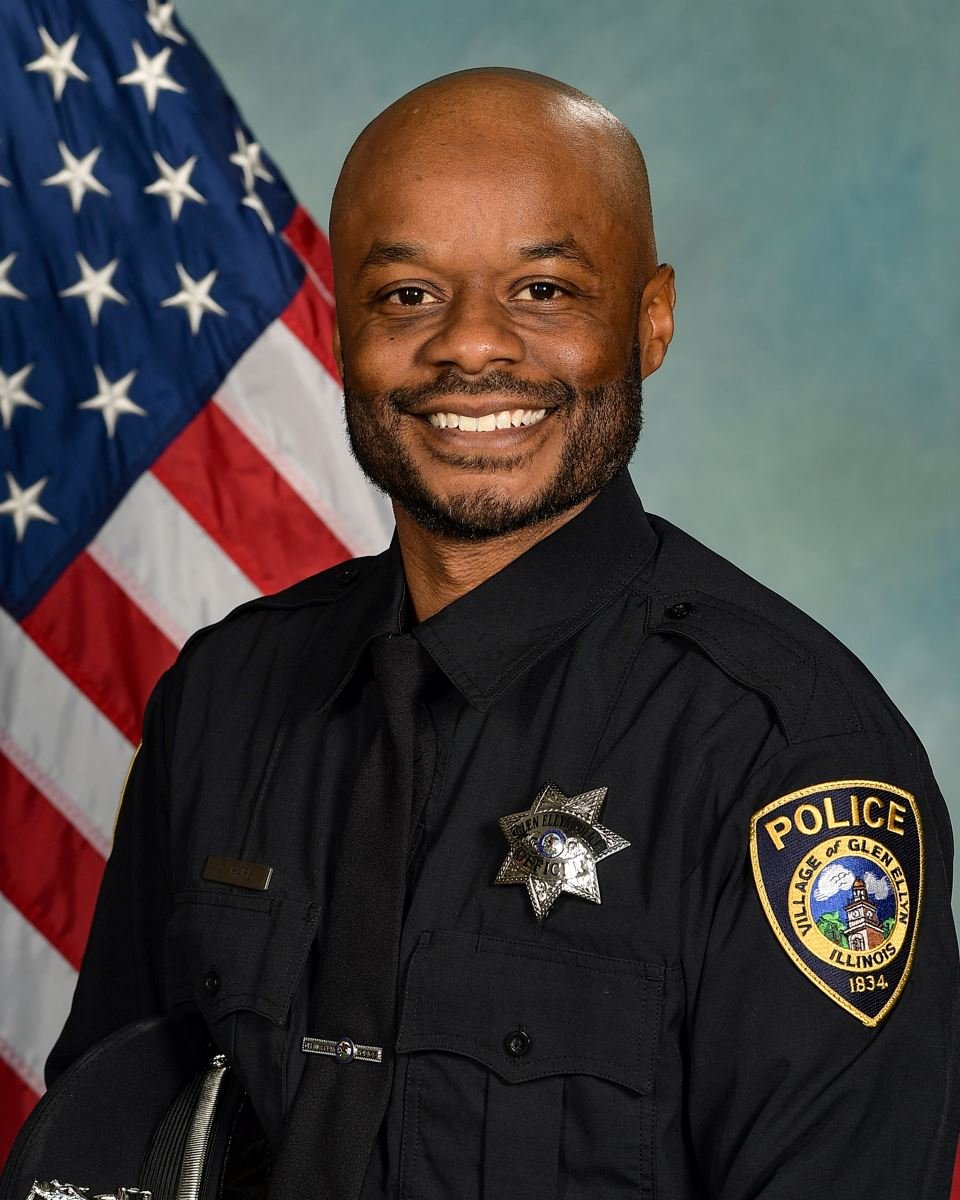
I’ve been in law enforcement for eleven years, and I’ll admit something plainly: early in my career, I wasn’t trained to recognize the difference between someone being uncooperative and someone being overwhelmed. A driver who won’t make eye contact, who answers slowly, who seems frozen instead of responsive, those signals used to raise my guard. I didn’t always understand what I was actually looking at.
That changed for me once I started seeing the Blue Envelope during stops.
The first time a driver handed me one, I wasn’t fully sure what to do with it. I read through it quickly, and it laid out exactly what I needed to know: the driver was autistic, direct eye contact was difficult for him, and sudden loud commands could cause him to shut down rather than respond. It asked me to slow things down and give him a moment before expecting an answer.
So I did. I stepped back a little, lowered my voice, and gave him time. And the whole interaction shifted. He was able to answer my questions once I wasn’t rushing him. It was one of the more routine stops I’ve had, but it taught me something that stuck with me every shift since.
Now when I see that envelope come through a window, my whole approach adjusts automatically. I know I’m not dealing with evasiveness. I’m dealing with someone whose brain processes stress differently than mine does, and my job is to meet them where they are, not force them into a script that isn’t built for them.
Traffic stops are already tense for everyone involved. Officers are trained to watch for danger, and drivers are trained to fear what might go wrong. The Blue Envelope cuts through a lot of that uncertainty in seconds. It tells me what I need to know before I even ask a question, and that changes the entire tone of the stop.
I’ve talked to other officers who’ve had similar experiences. It’s a small piece of paper, but it does something that’s hard to measure: it builds a little bit of trust into a moment that usually runs on adrenaline and assumption. I hope every department in this state gets familiar with it, because it makes all of our jobs safer, and it makes these moments a whole lot less frightening for the person in the driver’s seat.